Antimicrobial Resistance
The development of antimicrobial resistance (AMR) in bacteria is becoming a major global threat. The Norwegian Veterinary Institute (NVI) is both national reference laboratory and responsible for national monitoring on AMR in animals, food and feeding stuffs. This, together with a highly skilled staff, certified laboratories, and extensive national and international cooperation, provides an excellent basis for our extensive AMR research.
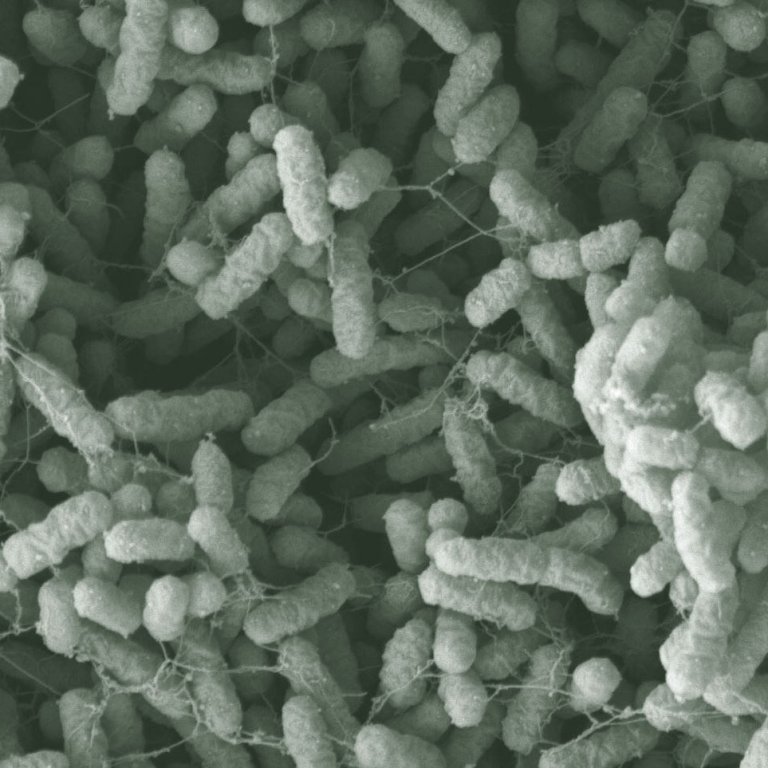
The development and spread of antimicrobial resistance is a global threat for both humans and animals, and requires joint efforts across countries and disciplines. The AMR research group aims at acquiring knowledge on the dynamics, dissemination and transmission of AMR in a “One health” perspective, and thereby contribute to the joint efforts against further development of AMR.
- Biofilm
- MRSA in a one health perspective
- Transmission and genetic characterization
- Trends and dynamics
- Wildlife and environment
In Norway, the usage of antimicrobial agents to animals is very low. This is reflected in the prevalence of antimicrobial resistance in animals and domestic produced food. Although the use of antimicrobial agents is considered the most important driver for development of AMR, development and dissemination of antimicrobial resistance can also occur through other unidentified, and less characterized and understood mechanisms. The Norwegian animal production with a low antimicrobial usage provides a unique possibility for building basic knowledge and gaining insight into such mechanisms. We are working on issues related to this, identifying possible risk factors and thereby enabling measures to be taken for the benefit of animal health, food safety, and ultimately in a bigger perspective for human health.
The Antimicrobial Resistance Research Group at the Norwegian Veterinary Institute comprises scientists with broad and varied competence and background , e.g. in bacteriology, molecular epidemiology, veterinary epidemiology, bioinformatics, pharmacology, pathology, food safety, veterinary medicine, veterinary public health.
Being such an interdisciplinary team makes it possible to engage in a variety of research approaches to elucidate AMR development, persistence and dissemination. We study trends, dynamics and mechanisms, the role of wildlife and environment as well as the role of the biofilm lifestyle. The group’s competence includes both traditional bacteriological methods, as well as modern molecular methods including whole genome sequence studies.