Chemistry and Toxinology
Chemistry is the science of the properties, composition and reactions of substances, while toxicology deals with the harmful effects of chemical or physical agents. Toxinology is the research area within toxicology that deals with natural toxins.
The health significance of toxins and toxicants depends on how toxic the substances are (toxicity), how much humans and animals ingest (exposure) and the organisms' ability to handle toxic substances (metabolism and kinetics).
Focus on natural toxins
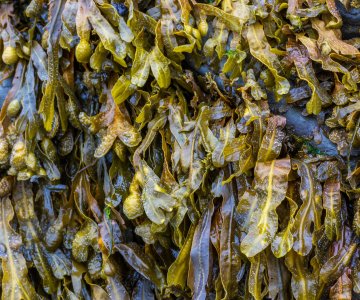
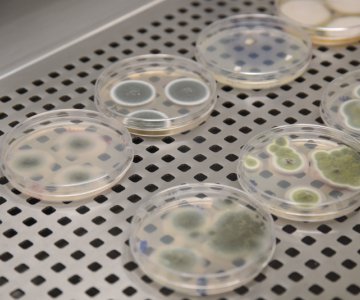
In the Chemistry and Toxinology research section, one of our main activities is to study the hazards related to natural toxins and how they contribute to harmful health effects in animals and humans. We study natural toxins and allergens in food and feed, algal and cyanobacterial toxins and determine their occurrence, chemistry, and toxicity profiles, and the ecological roles and biology of the toxin producing-organisms. For many years, our main focus has been on the occurrence of mold toxins (mycotoxins). The Norwegian Veterinary Institute is Norway's National Reference Laboratory (NRL) for the analysis of mycotoxins and carries out surveillance analyses for the Norwegian Food Safety Authority.
Toxicants and residue analysis
We also analyze a number of other compounds that are relevant in connection with the poisoning of livestock, such as the mycotoxin penitrem, which is a neurotoxin, anticoagulants (rat poisons), the tire rubber-derived chemical 6PPD-quinone, etc.
In addition, we analyze rotenone in water samples. These analyses are used both to control the dosage of rotenone treatment of water and watercourses and to investigate when the rotenone has disappeared after such treatment.
Research
We conduct basic research related to natural toxins and conduct interdisciplinary work in a variety of research areas such as analytical chemistry, toxicology, mycology and cell biology.
We use modern, advanced equipment and methodology and are at the forefront of in-vitro toxicological research.
.jpg)