
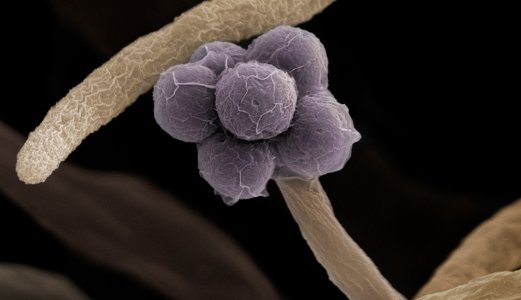
Norwegian Veterinary Institute Designated as WOAH Reference Laboratory for Crayfish Plague
The Norwegian Veterinary Institute (NVI) has officially been designated as the WOAH Reference Laboratory for crayfish plague (Aphanomyces astaci).
News
The Norwegian Veterinary Institute (NVI) has officially been designated as the WOAH Reference Laboratory for crayfish plague (Aphanomyces astaci).
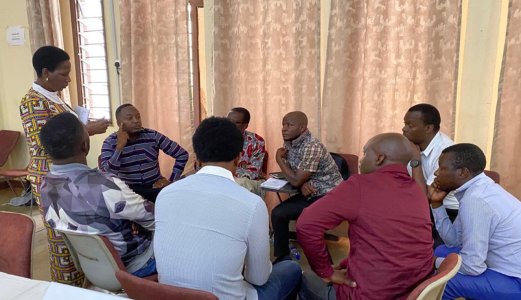
A new study shows that despite strong national One Health initiatives in Tanzania, collaboration between the health, animal, and environmental sectors remains weak at the local level. At the same time, the study highlights ways to strengthen coordination and improve implementation.
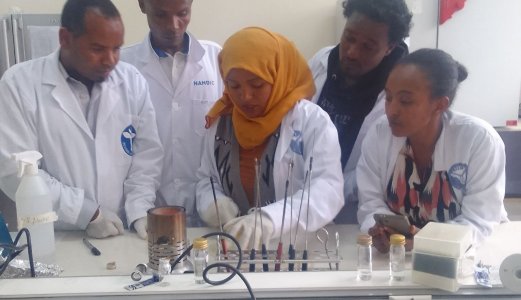
Veterinary laboratory professionals in Ethiopia have strengthened their capacity to detect milk-borne pathogens and monitor antimicrobial resistance (AMR). A 10-day laboratory training was held at the Animal Health Institute (AHI) in Sebeta from 25 June to 4 July 2026.
.jpg)
A new international study shows that biosecurity measures for animals kept on pasture and in outdoor systems have largely been developed for indoor production. The researchers are calling for biosecurity approaches tailored to outdoor farming.
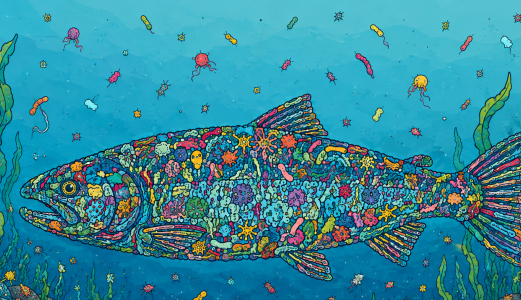
New research provides surprising insights into how bacteria in the salmon gut may hold the key to both improved fish farming and resilient wild salmon populations.
.jpg)
Tanzania’s dairy sector is a key contributor to rural livelihoods, household nutrition, and food security. However, more than 90% of milk is marketed through informal channels, where limited infrastructure and poor hygiene practices can compromise milk safety.
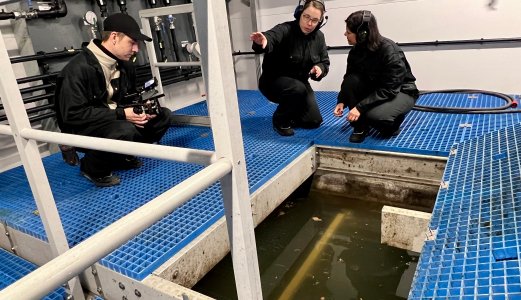
In a new film, you can follow researchers and fish farmers as they hunt for infectious bacteria that make farmed salmon ill – so ill that the fish can die. Can we save them?
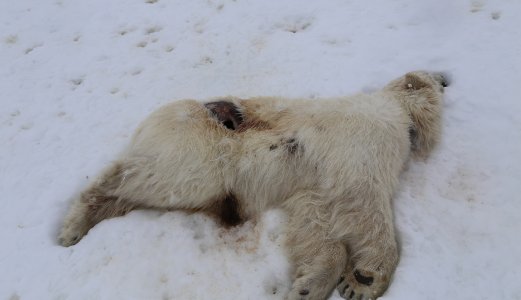
Highly pathogenic avian influenza has been detected in a one-year-old male polar bear and a walrus at the northern end of Spitsbergen. This is the first time this virus has been detected in a polar bear in Norway as well as a first for Europe for this species.
_crop.jpg)
High mortality among cleaner fish in sea cages, combined with a variable ability to eat lice, has led researchers to conclude that the use of cleaner fish should be phased out within a few years. Animal welfare is too poor, a new review article shows.

TriNation is celebrating its 20th anniversary in Belfast on April 16th–17th. This initiative was established by researchers from Norway, Ireland, and Scotland to exchange experience on heart health challenges affecting salmonid fish.
