Salmon lice affect the number and age of wild salmon returning to spawn
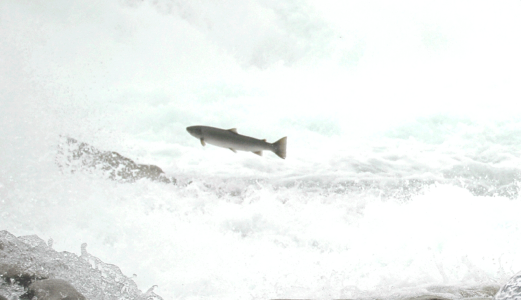
A new study shows that heavy lice infestation on migrating salmon post-smolts is clearly linked to fewer spawning fish returning after one year.
News
A new study shows that heavy lice infestation on migrating salmon post-smolts is clearly linked to fewer spawning fish returning after one year.
From 30th September to 8th October, the Norwegian Veterinary Institute (NVI), in collaboration with the Tanzania Veterinary Laboratory Agency (TVLA), conducted a regional training on Field Epidemiology at TVLA headquarters in Dar es Salaam, Tanzania.
On One Health Day, November 3rd, the Norwegian Veterinary Institute highlights a growing global health concern: resistance to antifungal agents.
A team of experts from the Norwegian Veterinary Institute, Siv Klevar, Jan Inge Øvrebø, and Krister Lundgård, visited Malawi from September 20 - 28 to conduct laboratory training. The training aimed to strengthen existing methodologies in molecular diagnostics and introduce new diagnostic techniques.
Over 50 representatives from countries in Europe and Central Asia gathered in Ålesund from September 3 to 5 to attend the World Organisation for Animal Health (WOAH) workshop on aquatic animal health. The aim was to discuss how to prevent outbreaks of fish diseases, with a particular focus on biosecurity and vaccines.
Under the project entitled “One Health – Controlling Zoonotic Diseases and AMR in the Milk Value Chain in Ethiopia, Malawi & Tanzania,” funded by the Norwegian Government, the Tanzania Veterinary Laboratory Agency (TVLA), in collaboration with the Norwegian Veterinary Institute, organized a practical training focused on laboratory detection of zoonotic bacterial pathogens in milk, antimicrobial resistance (AMR), and AMR data management (including data entry, analysis, and reporting).
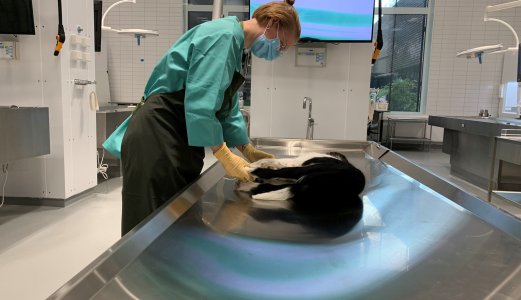
Cervids are struggling on multiple fronts and face complex health issues in Norway. In 2024, the Wildlife Health Monitoring Program (ViltHOP) has particularly focused on high mortality rates among moose calves.
The Norwegian Veterinary Institute is a key participant in a project in Tanzania that aims to strengthen the country's dairy production and improve human and animal health. The project, funded by the Norwegian government, was launched officially in February 2025.
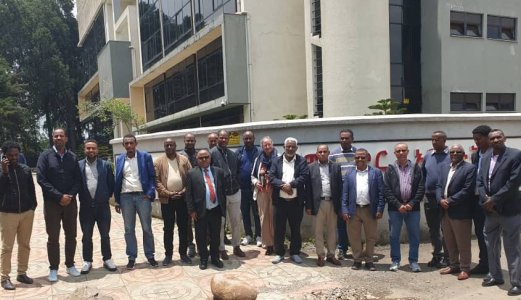
A team from the Norwegian Veterinary Institute visited Ethiopia from January 28–30 to formally launch a project aimed to strengthen the country's dairy production. The project, «One Health – Control of Zoonotic Diseases and Antimicrobial Resistance in the Dairy Value Chain in Malawi, Ethiopia, and Tanzania», started late 2022, but was officially initiated after the contract was signed in 2024.
A new study expands the understanding of where prions can be found in the bodies of moose (Alces alces) and red deer (Cervus elaphus) with sporadic Chronic Wasting Disease (CWD). Through infection experiments and material from Norwegian cervids with this disease variant, researchers have also demonstrated that CWD prions can be experimentally transmitted from muscle tissue to mice.