
A 20 Year Journey of Collaboration for Fish Health
TriNation is celebrating its 20th anniversary in Belfast on April 16th–17th. This initiative was established by researchers from Norway, Ireland, and Scotland to exchange experience on heart health challenges affecting salmonid fish.
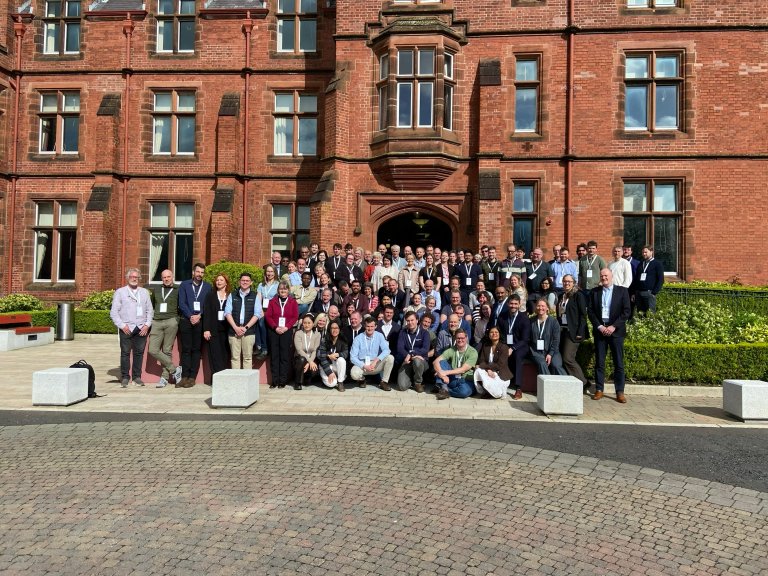
When TriNation was first established, the primary focus was on sharing knowledge about pancreas disease (PD) and heart disorders, but biosecurity and production-related diseases have also been important topics over the years.
An important platform for dialogue
TriNation brings together research communities, authorities, and the aquaculture industry from Norway, Ireland, and Scotland to share knowledge and collaborate on research to fight fish diseases. The first TriNation meeting was held in 2005 and has since taken place every other year. As no meeting was held in 2025, the anniversary is “delayed” by one year.
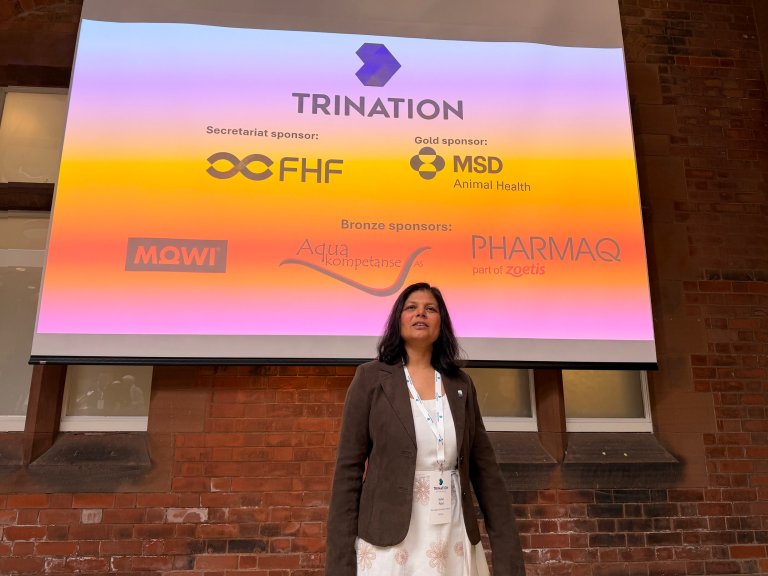
-TriNation has become an important platform for dialogue on shared fish health challenges in the North Atlantic through a combination of scientific knowledge, practical experience, and industry measures,” says senior researcher Sonal Patel at the Norwegian Veterinary Institute. She serves as secretary with primary responsibility for organising the meetings and is a board member of TriNation.
Experts from several countries
The Norwegian Seafood Research Funds (FHF) finances the Secretariat at the Norwegian Veterinary Institute. The seminars attract 90–130 participants, including international experts beyond those from the host countries. This year, experts from 11 countries are participating, including the United Kingdom, the Faroe Islands, Iceland, Denmark, Belgium, France, Spain, and Canada, in addition to the host countries.
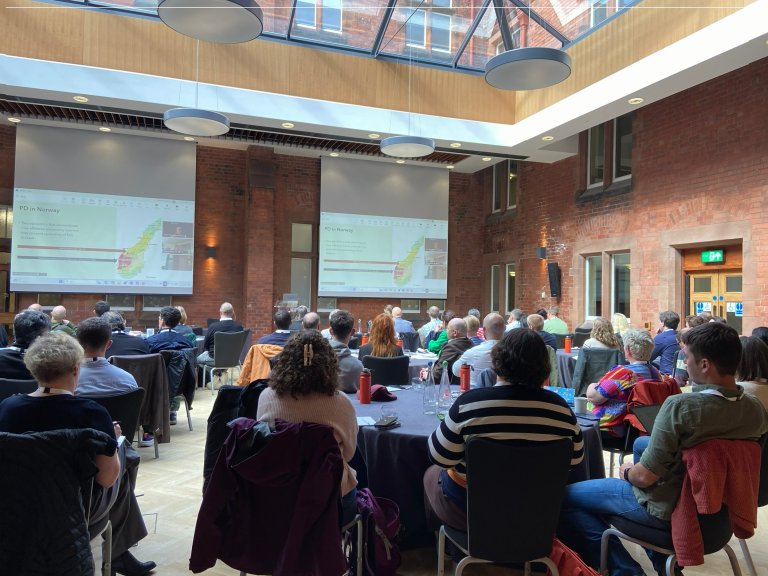
The experts will, among other things, give presentations on heart diseases and ongoing innovations in their respective countries aimed at solving challenges and improving fish health across the countries..
Contributing to increased knowledge
Patel believes that the TriNation collaboration has contributed to increased knowledge about the spread of disease and monitoring strategies to improve biosecurity in the aquaculture industry, including concrete measures for PD, CMS, and HSMI. There has been significant progress in offering and employing analytical tools for comprehensive health monitoring.
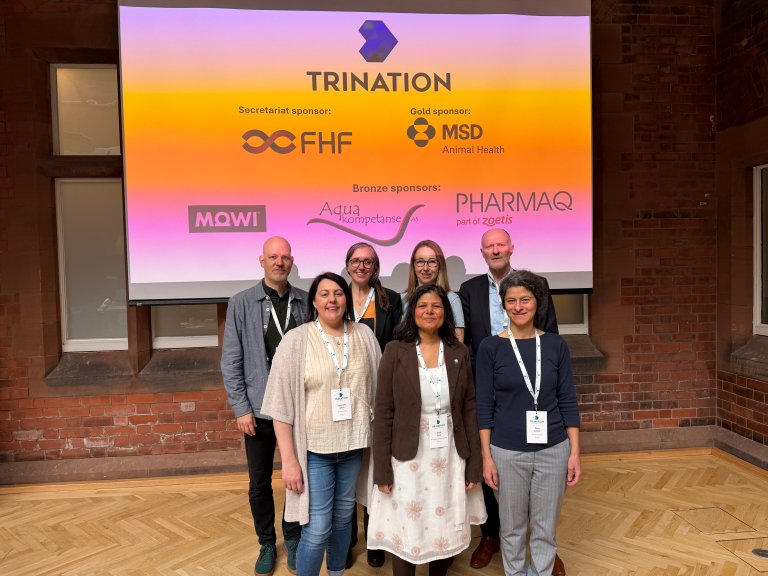
Most presentations from the meetings are made publicly available post-meeting on trination.org. A summary of the main findings and discussions is also published as popular science articles in both Norwegian and English following the meetings.
-On behalf of the board, I would like to extend our sincere thanks to all our sponsors who have supported us over the past 20 years, enabling us to hold these meetings without a registration fee for participants. A small registration fee has been introduced this year, but the goal is to keep it at a level that is affordable for most people to attend, says Patel.