Fish Health Research
Infectious waterborne diseases challenge sustainable aquaculture production, compromise fish health and welfare, and threaten wild aquatic animals. The Fish Health Research Group aims to understand and contribute to solutions for existing and emerging health problems in aquatic animals, specifically fish and crayfish, in nature and aquaculture.
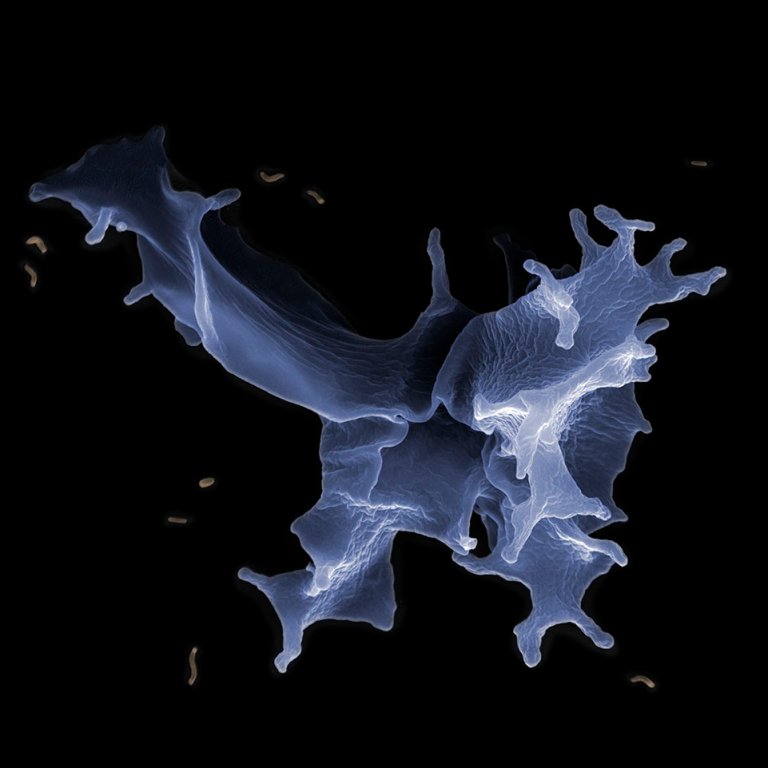
The Fish Health research group focuses on obtaining basic knowledge about aquatic pathogen-host-environmental interactions, and on the development of methods used to solve disease problems that arise in these interactions.
The environment may include natural freshwater and marine environments or different aquaculture facilities. We are working on the discovery and characterization of new and established pathogens and infection mechanisms, pathogen diversity and molecular epidemiology, development of new fish vaccines and vaccine concepts, environmental DNA (eDNA) monitoring of aquatic pathogens and hosts, and environmental- and animal welfare-friendly methods of disease control.
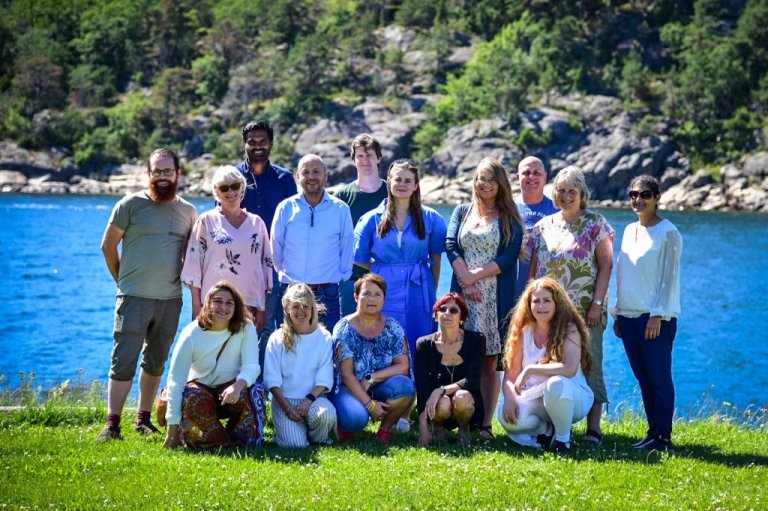
The Fish Health Research Group at the Norwegian Veterinary Institute comprises members with background in aquatic veterinary medicine, immunology, virology, bacteriology, mycology, parasitology, molecular biology, bioinformatics, genetics, cell biology, physiology, marine- and freshwater biology, ecology and evolution.
Together, we hold strong interdisciplinary research expertise on topics related to fish health, with emphasis on infectious fish- and crustacean diseases in aquaculture and nature. We have access to unique collections of fish cell lines, antibodies, and culture collections of pathogenic microorganisms from fish and crayfish, as well as well-equipped laboratory facilities for wet lab experiments, advanced imaging techniques, cellular-, immunological- and molecular work. In our research, we emphasize the 3 Rs (Replacement, Reduction, Refinement), and develop non-lethal sampling methods and in-vitro tools and monitoring methods, that reduce or replace the use of live fish and crayfish in research and surveillance.
In addition to acquiring and conducting research projects and relevant research assignments, we also offer expertise to assist in emergency response, diagnostics and advisory support to the authorities and the aquaculture sector, in particular within the fields of fish bacteriology, fish virology, fish parasitology and crustacean diseases. We are also responsible for some aquatic disease surveillance programs