
Milk-borne zoonotic disease prioritization in Ethiopia: Strengthening One Health approaches
A workshop held in Ethiopia gathered experts and stakeholders to discuss the OH Milk project that aims to contribute to sustainable production of safe milk for food security.
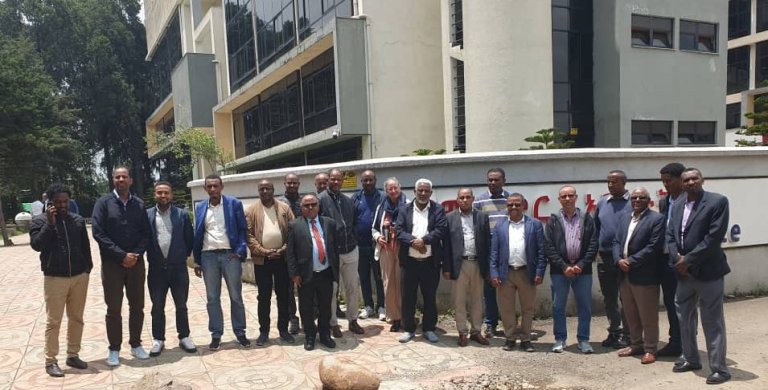
The workshop focused on the project One Health – controlling zoonotic diseases and AMR in the milk value chain in Ethiopia, Malawi and Tanzania (OH Milk). It officially commenced on September 4, 2025, at the Armauer Hansen Research Institute (AHRI) headquarters in Addis Ababa, Ethiopia.
Opening session
A total of 28 multidisciplinary experts and stakeholders participated, representing sectors such as public health, livestock, environment, food safety, regulatory bodies, UN agencies, civil society, and NGOs.
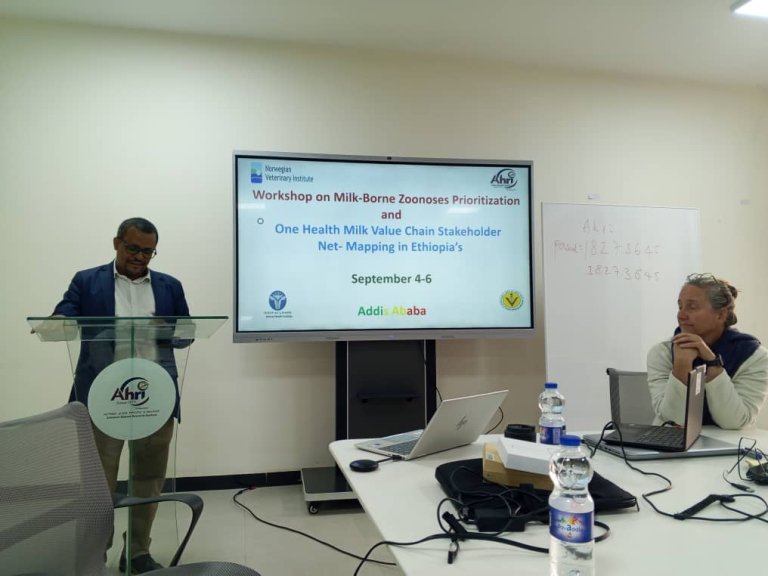
The session was opened by Prof. Rea Tschopp (AHRI), followed by Dr. Shimaa Ali (NVI), who joined virtually from Norway. Dr. Ali provided an overview of the project, drawing on experiences from similar initiatives in Tanzania and Malawi, and emphasized the critical need to prioritize milk-borne zoonotic diseases in Ethiopia.
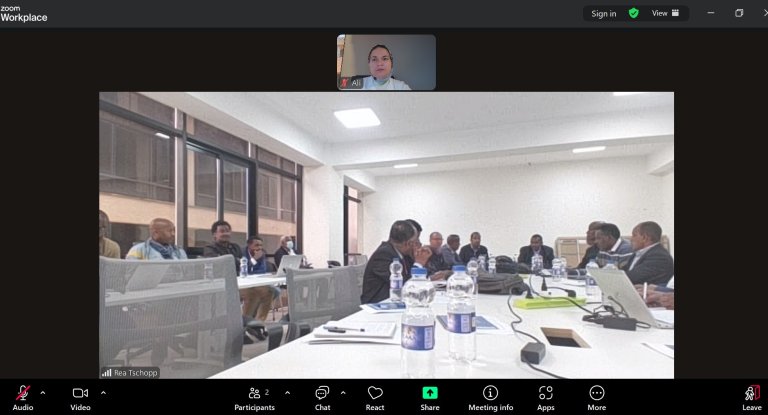
Dr. Getnet Abie, Deputy Director of the Animal Health Institute (AHI), delivered the opening remarks, underscoring the workshop’s importance for Ethiopia’s public health and veterinary sectors. He acknowledged the contributions of key partners: AHRI, AHI, Addis Ababa University College of Veterinary Medicine and Agriculture, and the Norwegian Veterinary Institute (NVI), with special thanks for NVI’s technical support and the financial support from Norway.
Project Introduction
Prof. Rea outlined the context of Ethiopia’s dairy sector and the relevance of the One Health approach. She explained that the workshop marks the first phase of a four-year initiative, structured around four core pillars:
- One Health platform
- Surveillance
- Laboratory diagnosis
- Veterinary services
Prioritization methodology
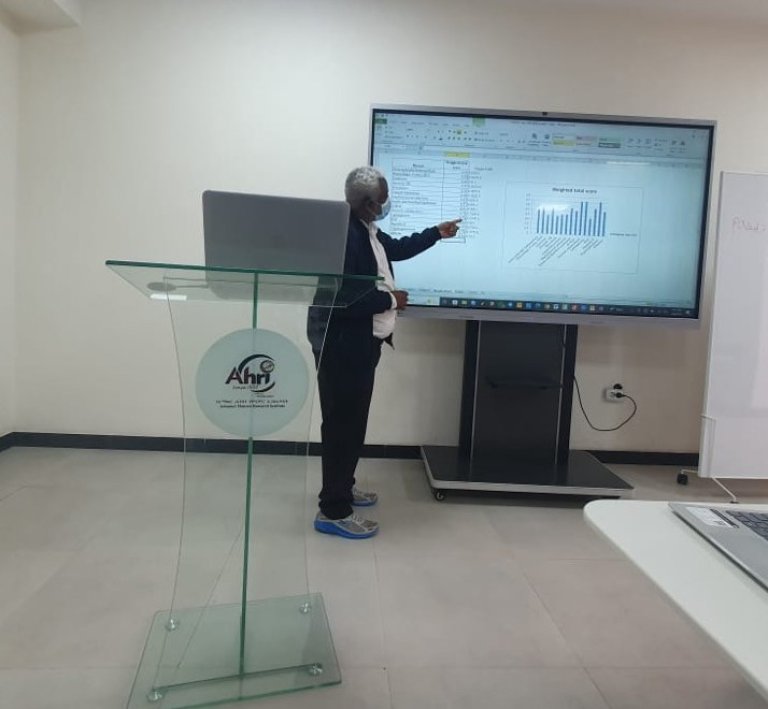
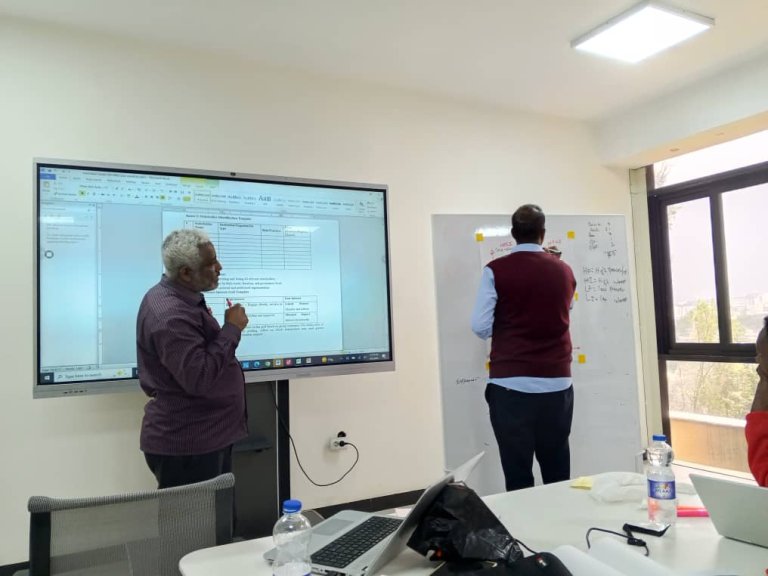
Dr. Ayele Buzineh, presented the OH-MBZDP tool, which is based on the Multi-Criteria Decision Analysis (MCDA) framework adapted from the CDC’s zoonotic disease prioritization tool and supported by Dr. Helga Høgåsen from NVI. Participants evaluated diseases using five standardized criteria, starting with a preliminary list of 15 pathogens and allowing space for additional suggestions.
Key discussion points included:
- Justification for a national-level prioritization approach
- Planned interventions following the pilot phase
- Alignment of prioritization criteria with national health priorities
- Whether to focus on diseases or specific pathogens
A consensus was reached to prioritize diseases rather than individual pathogens.
Disease scoring process
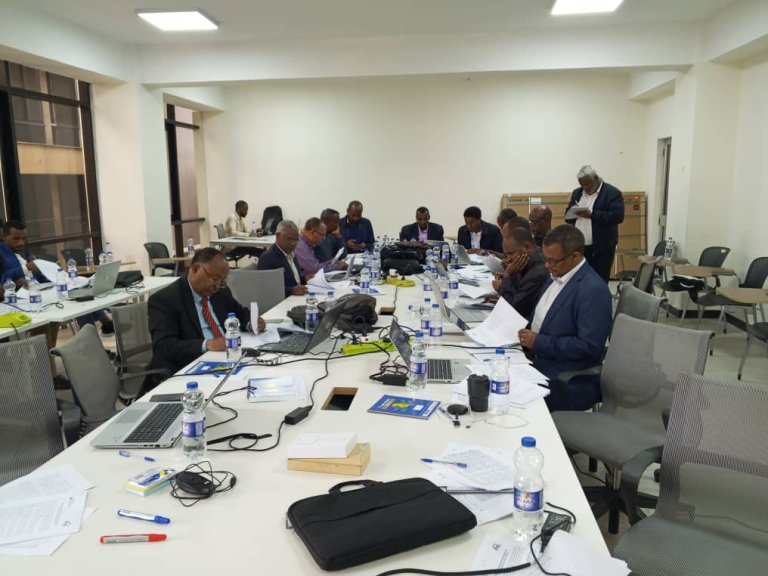
Participants were provided with fact sheets and scoring templates. Eighteen participants completed individual scoring, supported by facilitators. The scores were entered into a pre-developed Excel tool, which automatically analyzed and generated the results.
Prioritization results
Following group discussions, participants agreed to identify the top five priority milk-borne zoonotic diseases. The final ranking, based on weighted scores, is as follows:
- Hemorrhagic Colitis
- Brucellosis
- Zoonotic Tuberculosis
- Non-typhoidal Salmonellosis
- Listeriosis

Other diseases were ranked but not included in the top five priorities.
As highlighted by AHRI team “The workshop’s outcomes will guide the development of evidence-based policies and targeted capacity-building initiatives, aiming to safeguard public health and strengthen Ethiopia’s dairy sector resilience”.