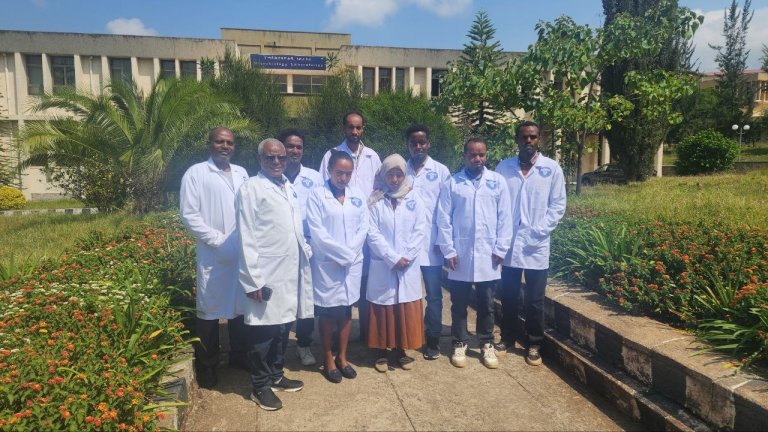
Improving Milk-Borne Pathogen Detection and AMR Testing in Ethiopia
Veterinary laboratory professionals in Ethiopia have strengthened their capacity to detect milk-borne pathogens and monitor antimicrobial resistance (AMR). A 10-day laboratory training was held at the Animal Health Institute (AHI) in Sebeta from 25 June to 4 July 2026.
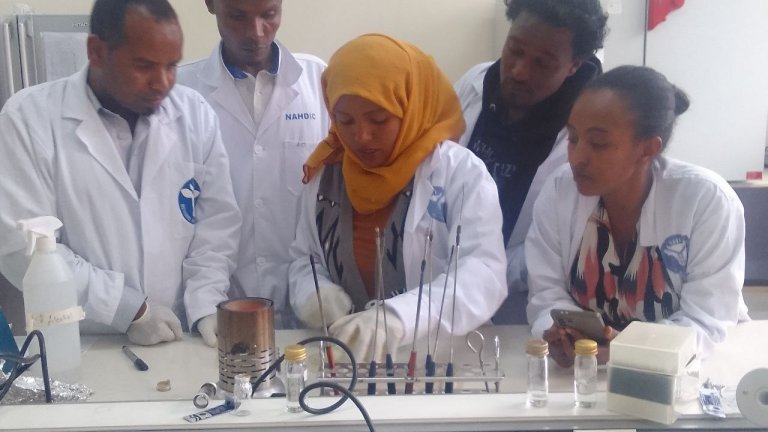
The training was part of the One Health: Controlling Zoonotic Diseases and Antimicrobial Resistance (AMR) in the Milk Value Chain Project, funded by Norway. It brought together seven laboratory professionals from four institutions to address key capacity gaps identified during an assessment of the veterinary laboratories in Addis Ababa, Asella, and Sidama.
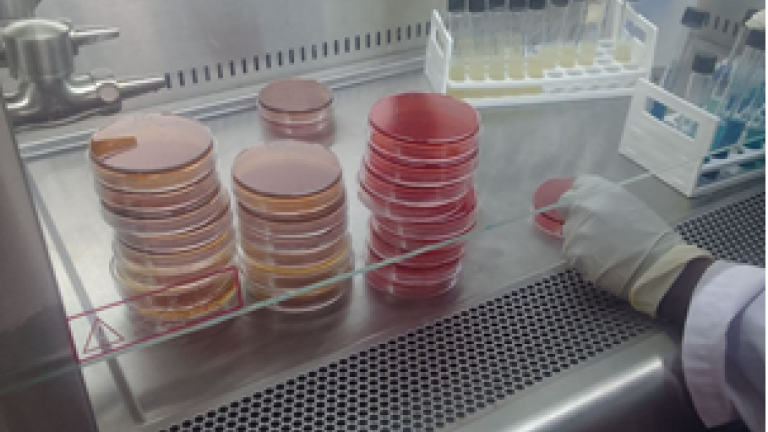
The training focused particularly on bacterial isolation and identification, antimicrobial susceptibility testing (AST), biosafety and biosecurity practices, biobanking, and the implementation of quality management systems aligned with ISO/IEC 17025:2017 standards.
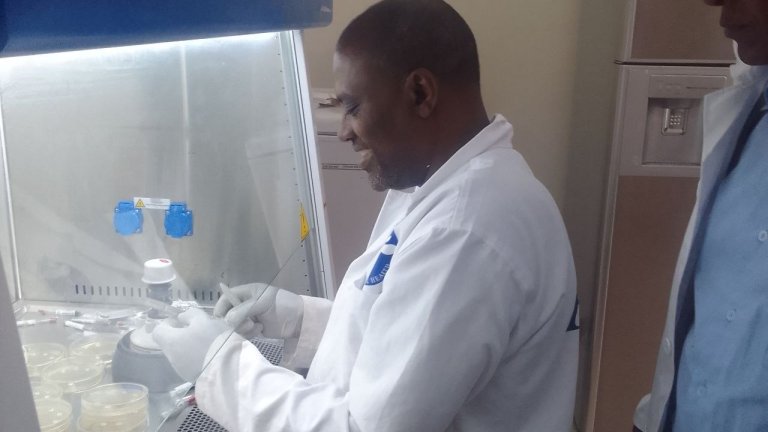
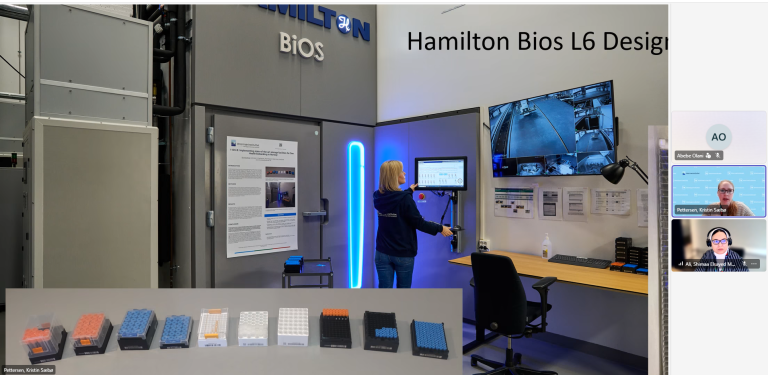
The training commenced with welcome remarks from both the AHI and the Norwegian Veterinary Institute (NVI), and featured a combination of expert lectures, laboratory demonstrations, hands-on practical sessions, group discussions, and a virtual knowledge-sharing session by Dr. Kristin Pettersen of the NVI.
Key Training Areas
Participants received theoretical and practical instruction in:
- Isolation and identification of priority milk-borne pathogens
- Antimicrobial susceptibility testing (AST) methodologies
- Biobanking, biosafety, and biosecurity practices
- Quality Management Systems (QMS)

The training successfully strengthened both the knowledge and practical skills of participating laboratory professionals. Assessments conducted before and after the training demonstrated substantial improvements across all thematic areas.
The contribution of experts from the Norwegian Veterinary Institute provided valuable international perspectives on advanced biobanking systems and laboratory best practices, further enriching the learning experience.
By enhancing the technical capacity of veterinary laboratories in Ethiopia’s major milk-producing regions, the training contributes to:
- Improved detection and diagnosis of milk-borne pathogens.
- Strengthened AMR surveillance systems.
- Enhanced laboratory quality assurance and compliance with international standards.
To ensure the impact of such an initiative, continued investment in laboratory infrastructure, equipment, reagents, reference materials, local knowledge transfer and mentorship programmes is needed. Strengthened laboratory services are essential for improving animal and public health outcomes and supporting safer, more resilient dairy value chains in Ethiopia.