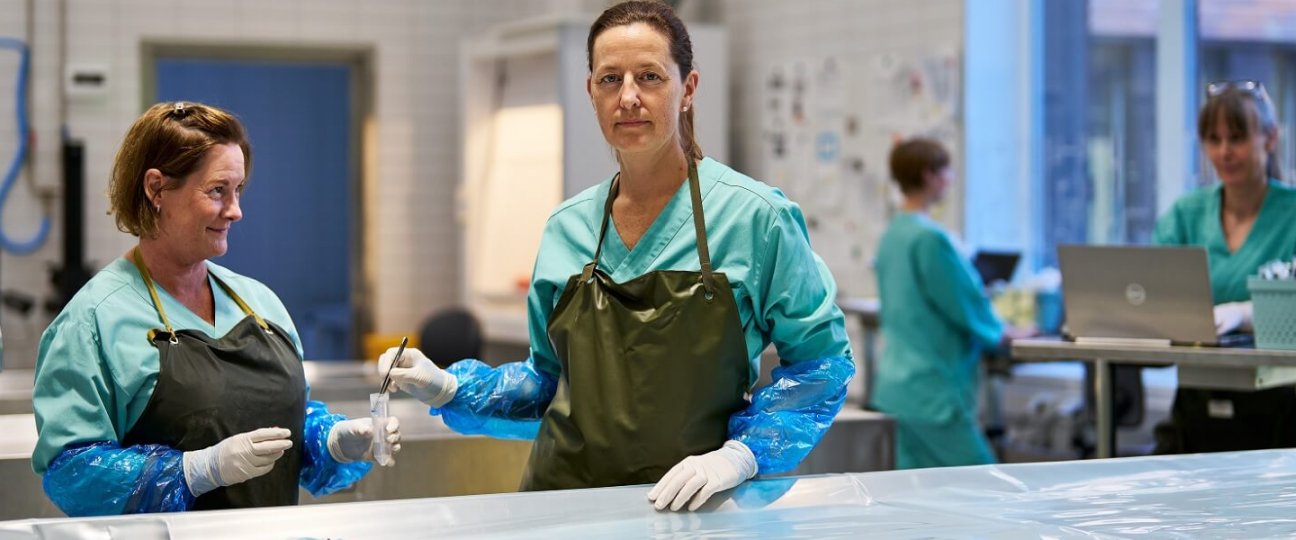
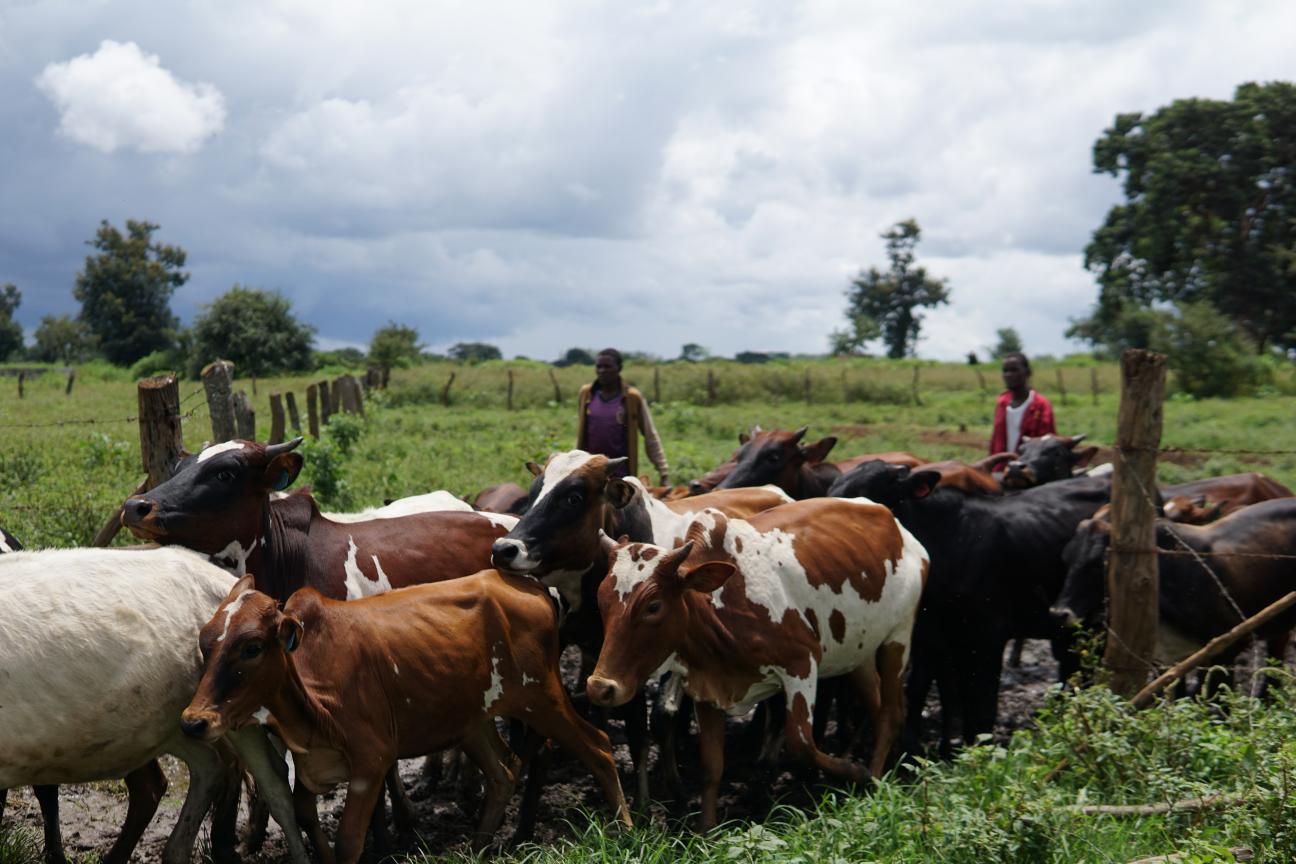
The National Veterinary Institute is a national biomedical research institute in the fields of animal health, fish health and food safety, whose primary function is supply of independent research based advisory support to the governing authorities.
Preparedness, diagnostics, surveillance and monitoring, reference- and scientific advisory functions, and risk assessment are the most important areas of operation. The National Veterinary Institute has its central laboratory in Oslo, with regional laboratories located in the cities of Sandnes, Bergen, Trondheim, Harstad and Tromsø.
The National Veterinary Institute is a governmental agency, funded by the Ministry of Agriculture and Food, Ministry of Fisheries and Coastal Affairs and the Norwegian Research Council. The Ministry of Agriculture and Food owns properties and buildings from which the National Veterinary Institute operates, while the National Veterinary Institute has responsibility for maintenance. The buildings are in good condition and the laboratories modern.
The institute’s products and services are research results and reports, analyses and diagnostics, scientific evaluations and advices within the main fields of operation.
Outbreaks of pancreas disease, PD, cause large economic losses for the salmonid farming industry in northern Europe. The geographical area in which PD occurs in Norway has increased significantly in recent years. A research project with the aim of investigating how the causal virus, SAV, is dispersed within and between sites, was recently started. The
The National Veterinary Institute produces maps on the status of the bluetongue outbreak in the southern Norway. The maps are updated regularly on the status of samples and analyses.
Analyses of new bulk milk samples has revealed four new herds that needs to be followed up with blood sample analyses. The National Veterinary Institute presented the results for the Norwegian Food Safety Authorities wednesday evening.